The Wonderful World of Wigs: A Comprehensive Guide
Wigs have been a part of human culture for centuries, serving as fashion statements, cultural symbols, and practical solutions for hair loss.
Whether you're looking to switch up your style, cover thinning hair, or explore different looks without commitment, wigs offer endless possibilities. In this blog, we will explore the fascinating world of wigs, from their history and types to tips on choosing and caring for the perfect wig.
A Brief History of Wigs
The history of wigs dates back to ancient civilizations. In ancient Egypt, both men and women wore wigs as a status symbol and to protect their shaved heads from the sun. The Greeks and Romans also wore wigs, often using them to enhance their social standing. During the Renaissance and Baroque periods, wigs became elaborate and ornate, a trend that continued into the 17th and 18th centuries in Europe.
In modern times, wigs have become more accessible and diverse, catering to a wide range of needs and preferences. From celebrities and performers to everyday individuals, wigs are embraced for their versatility and style.
Types of Wigs
Wigs come in various types, each designed to meet different needs and preferences:
-
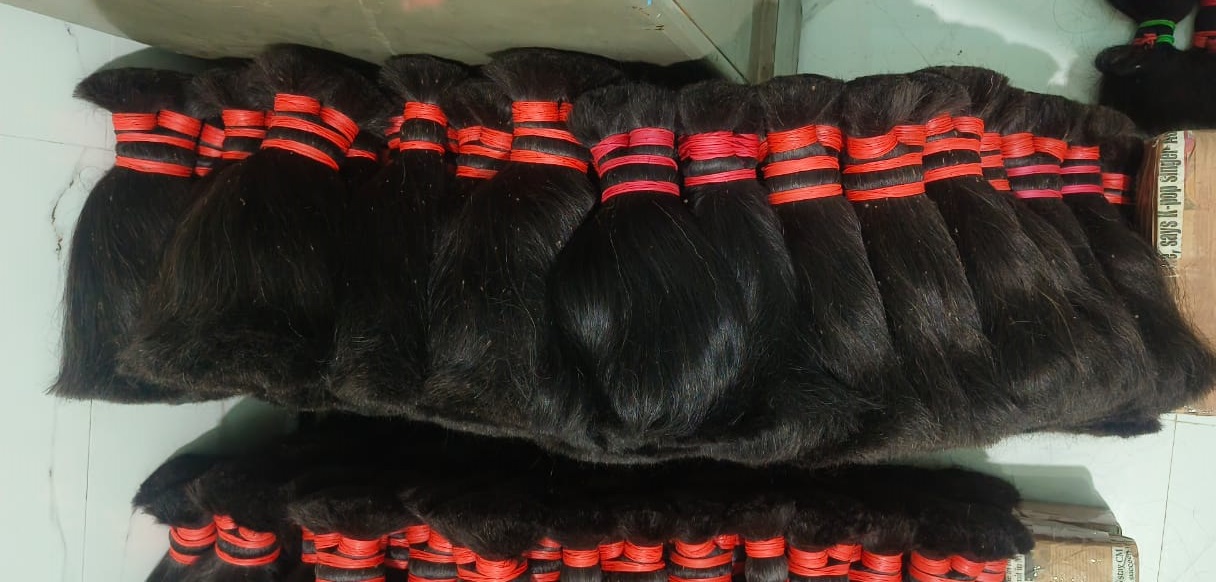
Human Hair Wigs: Made from real human hair, these wigs offer the most natural look and feel. They can be styled, colored, and treated like natural hair, making them highly versatile. However, they require regular maintenance and are often more expensive.
-
Synthetic Wigs: These wigs are made from synthetic fibers that mimic the appearance of natural hair. They are more affordable than human hair wigs and require less maintenance. However, they can't be styled with heat tools and may not last as long.
-
Lace Front Wigs: Featuring a lace front, these wigs create a natural-looking hairline and allow for versatile styling. The lace material blends seamlessly with the scalp, giving the illusion of hair growing directly from the scalp.
-
Full Lace Wigs: These wigs are made entirely of lace, providing a natural look and allowing for versatile styling, including updos and ponytails. They are breathable and comfortable but can be more delicate and expensive.
-
Monofilament Wigs: These wigs have a monofilament top, which allows for multidirectional parting and a natural scalp appearance. They are comfortable and offer a realistic look, making them a popular choice.
Choosing the Right Wig
Selecting the perfect wig involves considering several factors:
-
Purpose: Determine why you need a wig. Are you looking for a fashion accessory, a solution for hair loss, or a protective style for natural hair?
-
Hair Type: Decide between human hair and synthetic hair based on your budget, styling preferences, and maintenance routine.
-
Cap Construction: Consider the wig's cap construction, such as lace front, full lace, or monofilament, to achieve the desired look and comfort level.
-
Style and Color: Choose a wig that complements your face shape, skin tone, and personal style. Don’t be afraid to experiment with different lengths, textures, and colors.
-
Fit: Ensure the wig fits comfortably and securely. Measure your head size and refer to the manufacturer’s sizing chart for the best fit.
Caring for Your Wig
Proper care extends the life of your wig and keeps it looking its best:
-
Cleaning: Follow the manufacturer’s instructions for washing your wig. Use products specifically designed for wigs to avoid damage.
-
Styling: For human hair wigs, use heat tools sparingly and apply heat protectant. For synthetic wigs, avoid heat styling unless the wig is labeled as heat-resistant.
-
Storage: Store your wig on a wig stand or mannequin to maintain its shape. Keep it away from direct sunlight and heat sources.
-
Maintenance: Regularly brush your wig with a wig brush to prevent tangles. Avoid overwashing and follow a consistent maintenance routine.
Conclusion
Wigs are a fantastic way to express yourself, protect your natural hair, and boost your confidence. With the right wig, you can transform your look and enjoy the freedom of versatile styling. Whether you're new to wigs or a seasoned wearer, understanding the different types, choosing the right one, and caring for it properly will ensure you get the most out of your wig-wearing experience.